Why You Need a Specialized Agent to Get the Job Done Better
The idea of one AI that does everything is giving way to something different: coordinated teams of purpose-built agents with expertise. Here's why that is the future we need.

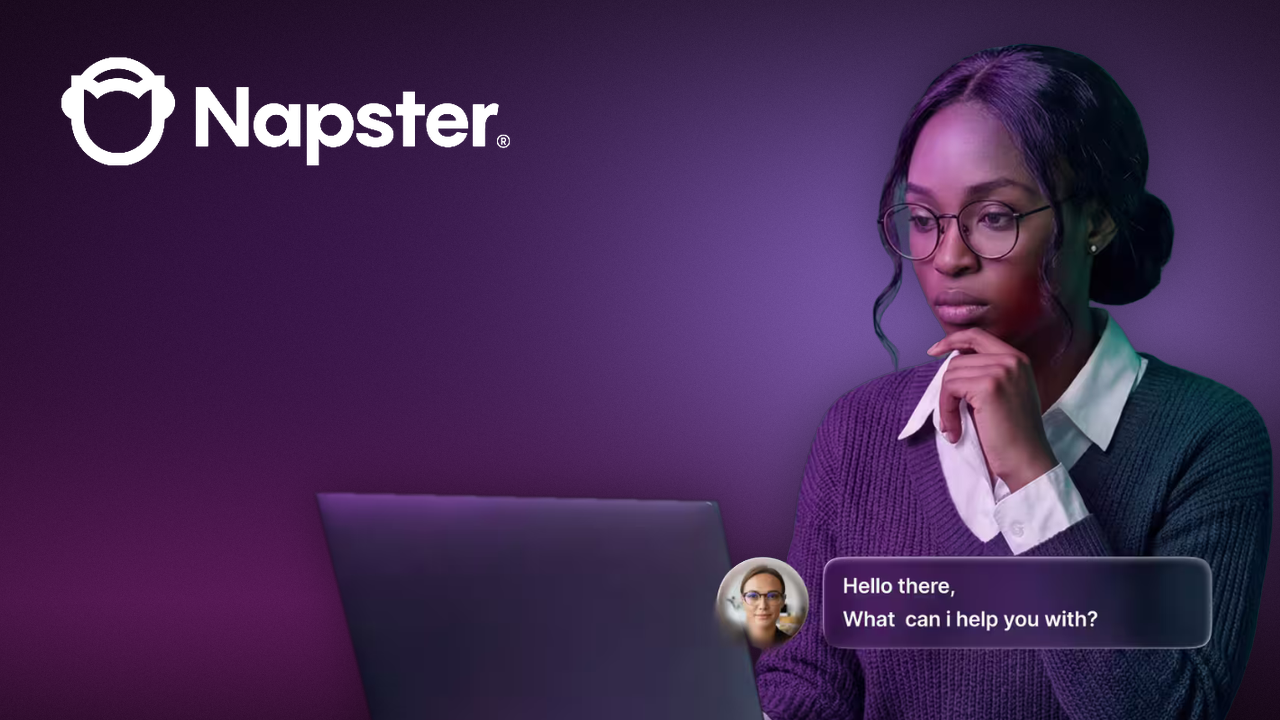
Why AI is starting to look less like one assistant and more like a team of specialists — and what gets better when it does
In the early days of AI, the idea of one bot that could do everything sounded revolutionary. Need someone to synthesize some research for a class project? Complete a comprehensive packing list for a big family trip? Come up with a dynamic training plan for a race you’re running? General-purpose AI products can do it all.
But can one, catch-all AI agent really break down the exact weightlifting program you need to reach your goal before a bodybuilding competition? You need an expert. That’s where specialized agents come in.
The problem with making one assistant your go-to “guy”
A single general-purpose assistant has to be a specialist within every topic. That sounds helpful, but in the end, it can create some roadblocks for the real work you need to do.
- Context switching costs trust. An assistant that's helping you write an internal presentation for work one minute and debugging your code the next is simply doing too much for it to be the trusted source for something so specific. When one agent has to switch contexts, the entire tone of the conversation changes, which also alters your sense of who you’re talking to and compromises the integrity of the conversation.
- Generalists can only achieve average results. A model optimized to be reasonably good at everything can’t do the accurate and well-delivered work you need. An agent built exactly for the task you’re undertaking can collaborate with you creatively. It can handle nuance, complex conversations, and problem solving. This is the partner you want for your project.
- Users don’t think in “assistant” terms; they think in tasks. People don’t want to talk to AI just because it’s AI. They want it to do something for them. Specialized agents are able to zero in on the exact need and deliver upon it. Let’s say you need an agent to help you fix a software bug. The generalized agent may use vague language about the problem and may veer too hard into trying to sound agreeable, completely missing the target. A specialized agent is tuned into the exact expertise that is required to flag even the smallest problem and can flag, such as a problematic line of code. Split capabilities into individual agents, and you get AI with purpose and finely tuned knowledge that can perfectly nail the job every time.
Here’s what you get from an agent that is trained in exactly what you need it to do.
Clarity of purpose. When an agent is built for one job, it will be entirely focused on that job. It will stay in its line and continue to build upon existing skills. Instead, a generalized agent has to shape-shift to try to deliver what you need. With an expert agent, you always get concise help.
Trust through consistency. When you use an agent that is an expert within a certain area, you will get the results you want every time. With each well-delivered task, your trust within the expert will continue to grow, and you know you’ll get a product that you can believe in.
Easier to improve. A team of narrow agents can each be refined independently. If you have a tutor agent, for example, you can work with that agent alone at improving its skills to make it a better teacher each time you interact with it. If you work to refine the skills of a generalized agent, it may get worse at something else it does in the meantime.
A more human coworker. A bundled team of specialists act like we do when we work. This means they can mirror how we actually complete tasks, which means it can get it done better and faster. And it’s programmed to get it right the first time because it knows how to do the job. When you have an agent who specializes in speech-writing, you probably don’t want it helping with your taxes, just like you wouldn’t ask your accountant to prepare a toast for your best friend’s wedding.
How bundled agents keep work streamlined
The only potential catch here is that users have to figure out which agent to talk to for a specific task, rather than just going to the one agent. This is why the strongest approach is to bundle agents (for example, a learning-focused set or a productivity set). And because the entry point is conversational, it’s easy to find the bundle you need. You just describe what you need, and you’re directed to the right group who can help, instead of having to choose from a directory.
Napster's own app is a working example of this balance. It employs agents as “crews,” a life crew built around core productivity and a tutor crew for working. Users don't pick an agent from a list; they start a conversation, and the right specialist within that crew responds. It's the bundled-team model in practice: enough specialization to make each agent good at its job, enough grouping to keep the whole thing efficient.
The shift toward the future
What's really happening here isn't just a UX debate about chatbots versus multi-agent systems. It's a rethinking of what "assistant" even means. Instead of one relationship with one AI, users are starting to build a set of relationships, each easier to trust for a specific reason. This more scalable way to work will be the norm as AI tools mature. We’re not talking about a single mind trying to do everything. Instead, it’s a coordinated team, each part playing to its strength.
Related posts
Stay up to date with the latest platform updates, feature launches, and important news.




Press inquiries.
Journalists and media professionals can contact our team for interviews, information, or additional materials.